
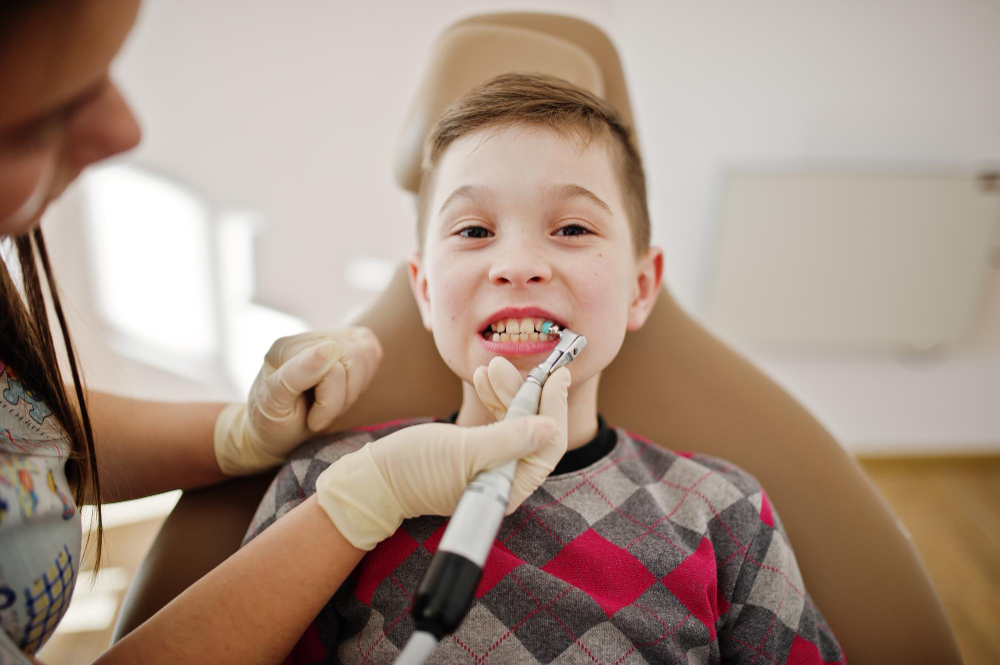
What Is a Space Maintainer?
A space maintainer is a small dental device. Dentists use it to keep a gap open when a child loses a baby tooth early. This device helps prevent other teeth from moving into the empty space. As a result, it makes room for the adult tooth to grow in the right spot. Space maintainers are common in children’s dentistry. They are simple, safe, and very helpful.
Why Are Space Maintainers Used in Dentistry?
Sometimes, children lose baby teeth before the adult teeth are ready to come in. When this happens, nearby teeth may shift into the empty space. This can cause problems later. For example, the adult tooth may not have enough room to grow. Therefore, dentists use a space maintainer to keep the gap open. This helps guide the adult tooth into its proper place. Space maintainers are often recommended for kids who lose teeth early due to injury or decay.
Benefits of Space Maintainers
Space maintainers offer many benefits for children’s dental health. Here are some key advantages:
Because of these benefits, many dentists recommend a dental space maintainer for kids who lose teeth early.
How Does a Space Maintainer Work?
A space maintainer is usually made of metal or plastic. It can be fixed (cemented in place) or removable. The dentist customizes it to fit your child’s mouth. Once placed, it holds the space open until the adult tooth is ready to come in. Most children get used to the device quickly. The space maintainer does not hurt and does not move around. It simply keeps the gap open and protects your child’s smile.
What to Expect During Placement and Care
First, the dentist will check your child’s mouth and take an impression. This helps create a space maintainer that fits well. At the next visit, the dentist will place the device. The process is quick and gentle. Your child may feel a little odd at first, but this feeling goes away soon. After placement, the dentist will give you care instructions. Regular check-ups are important to make sure the space maintainer is working well.
Tips for Maintaining Oral Hygiene with a Space Maintainer
Good oral care is important when your child has a space maintainer. Here are some helpful tips:
With proper care, a space maintainer can last until the adult tooth comes in.
Common Questions and Concerns
Conclusion: Consult Your Dentist
Space maintainers play a key role in children’s dental health. They help guide adult teeth and prevent future problems. If your child loses a baby tooth early, talk to your dentist about a space maintainer. With the right care, your child’s smile can stay healthy and bright. For personalized advice, consult your dental professional today.