
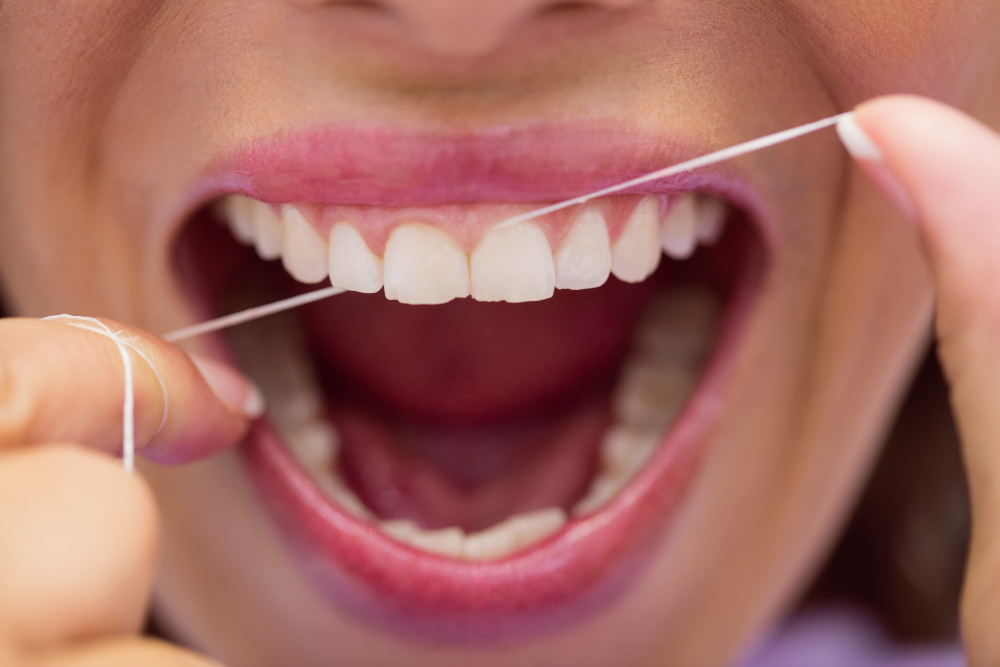
What is Bad Breath (Halitosis)?
Bad breath, also called halitosis, is a common problem. It means your mouth smells unpleasant. While it can be embarrassing, you can often prevent it. In fact, bad breath prevention is possible with simple daily habits. Most people have bad breath at some point, but it does not have to last.
Common Causes of Bad Breath
Many things can cause bad breath. For example, poor oral hygiene is a leading cause. When you do not brush or floss, food particles stay in your mouth. Bacteria then break down these particles, causing odor. Additionally, certain foods like onions or garlic can make your breath smell. Dry mouth, smoking, and some health conditions can also lead to halitosis. According to the CDC, regular dental care helps reduce these risks.
Symptoms and Warning Signs
Sometimes, you may not notice your own bad breath. However, others might. Common signs include a sour or metallic taste, a dry mouth, or a white coating on your tongue. If you notice these symptoms, you may need to improve your oral care. In some cases, people may avoid talking to you or step back during conversations. These are also warning signs.
Effective Tips to Prevent Bad Breath
Fortunately, you can take steps for bad breath prevention. Here are some fresh breath tips and halitosis remedies you can try every day:
By following these oral hygiene tips, you can reduce your risk of halitosis. In addition, you will enjoy a cleaner, fresher mouth.
When to See a Dentist
Sometimes, bad breath does not go away even after good care. If your breath stays bad for more than a few days, you should see a dentist. Also, if you have pain, bleeding gums, or loose teeth, make an appointment. These could be signs of a deeper problem. Early treatment can prevent bigger issues later.
Frequently Asked Questions (FAQs)
Can mouthwash cure bad breath?
Mouthwash can help mask bad breath for a short time. However, it does not treat the cause. Good oral hygiene is more effective for long-term results.
Does drinking water help prevent bad breath?
Yes, drinking water helps wash away food particles and keeps your mouth moist. This can lower your risk of bad breath.
Are there medical conditions that cause bad breath?
Yes, some health problems like sinus infections, diabetes, or acid reflux can cause bad breath. If you have ongoing issues, talk to your doctor or dentist.
How often should I visit the dentist for bad breath prevention?
Most experts, including the WHO, recommend seeing your dentist every six months. Regular visits help catch problems early.
In summary, bad breath prevention is possible with simple steps. Brush, floss, drink water, and see your dentist often. If you have concerns, consult a dentist for personalized advice on managing bad breath.